5th Semester Sociology Students of ‘Health & Society’ Class, successfully organized a two-day awareness program focused on Menstrual Health and Hygiene, aimed at promoting education, destigmatization, and open dialogue on this critical public health issue. The event sought to engage students (boys & girls) in fostering a more inclusive and informed perspective on menstrual hygiene practices. By combining educational media with interactive activities, the program highlighted the social, cultural, and health dimensions of menstruation, encouraging participants to challenge prevailing taboos and advocate for better hygiene resources.
The program was structured over two consecutive days, featuring a documentary screening on the first day followed by a slogan-writing competition on the second day. This format allowed for both passive learning through visual storytelling and active participation through creative expression. The initiative received enthusiastic response from participants across genders, underscoring the department's commitment to gender-sensitive education.
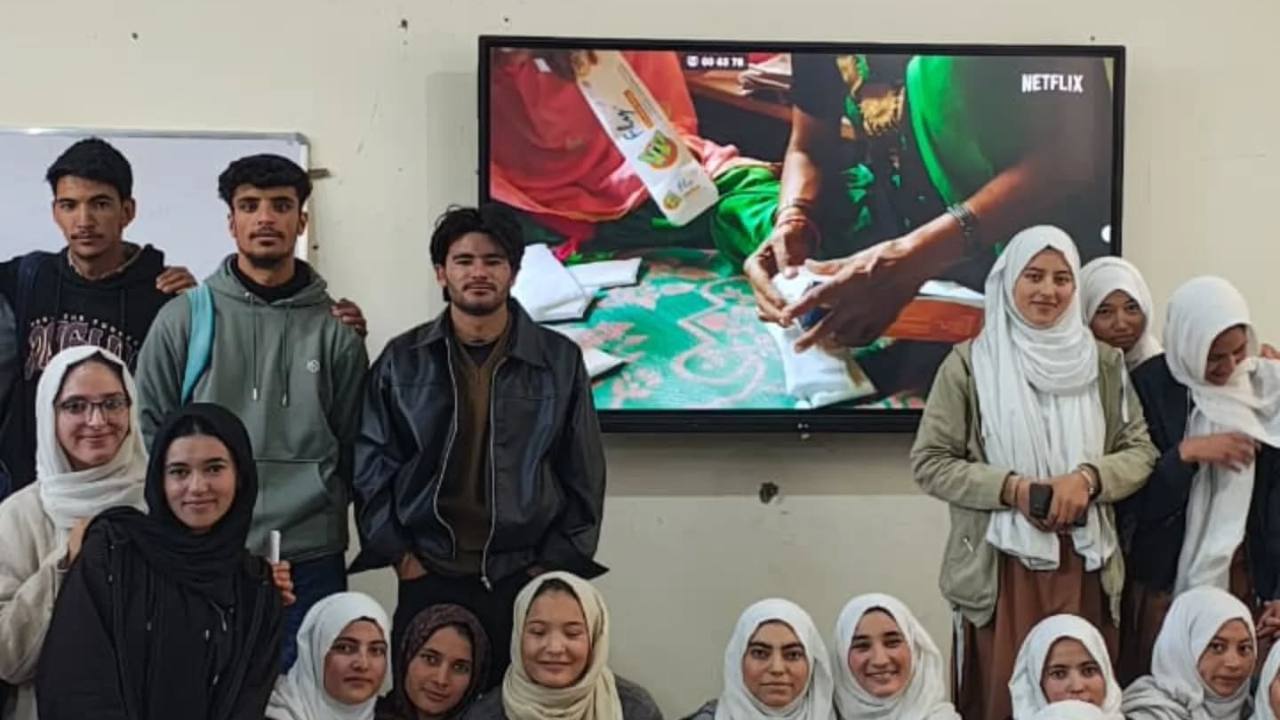
Day 1: Documentary Screening – "Period. End of Sentence". The inaugural day commenced with the screening of the Academy Award-winning documentary "Period. End of Sentence," directed by Rayka Zehtabchi. This compelling film explores the challenges faced by women in rural India regarding menstrual hygiene, including access to sanitary products and the pervasive stigma surrounding menstruation. The screening was attended by approximately 20 students and the faculty creating a conducive environment for reflection and discussion.
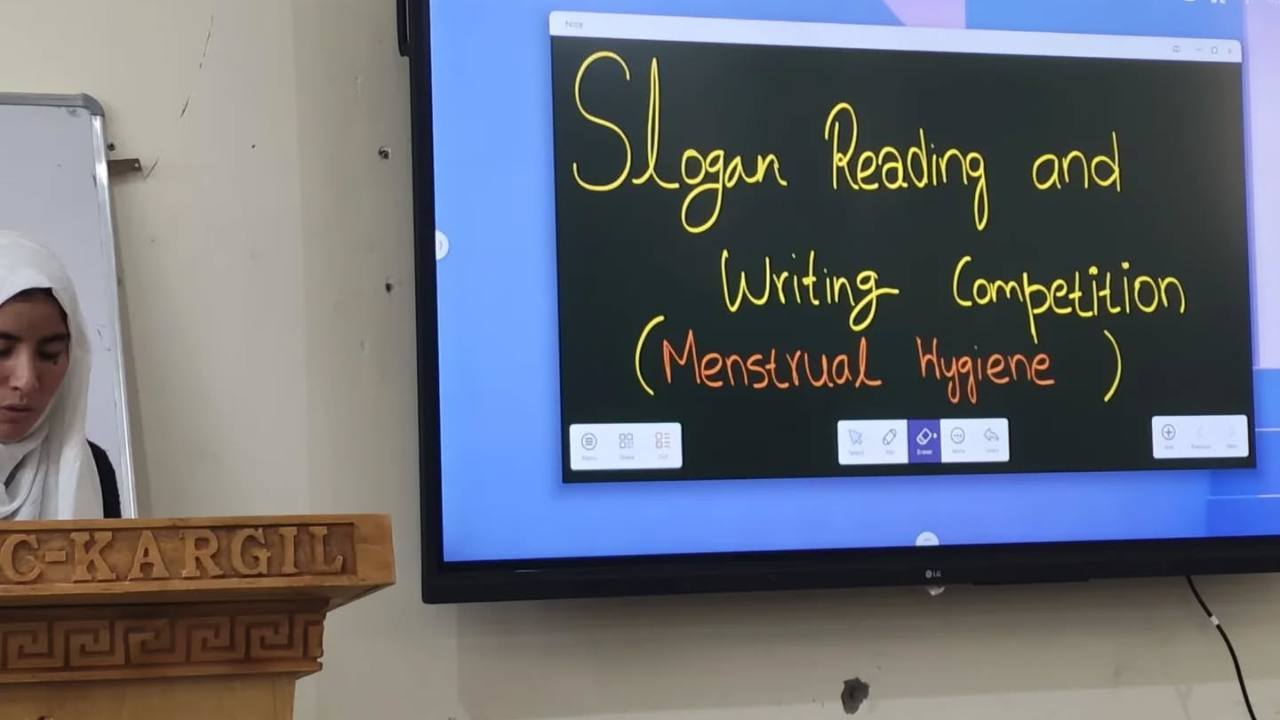
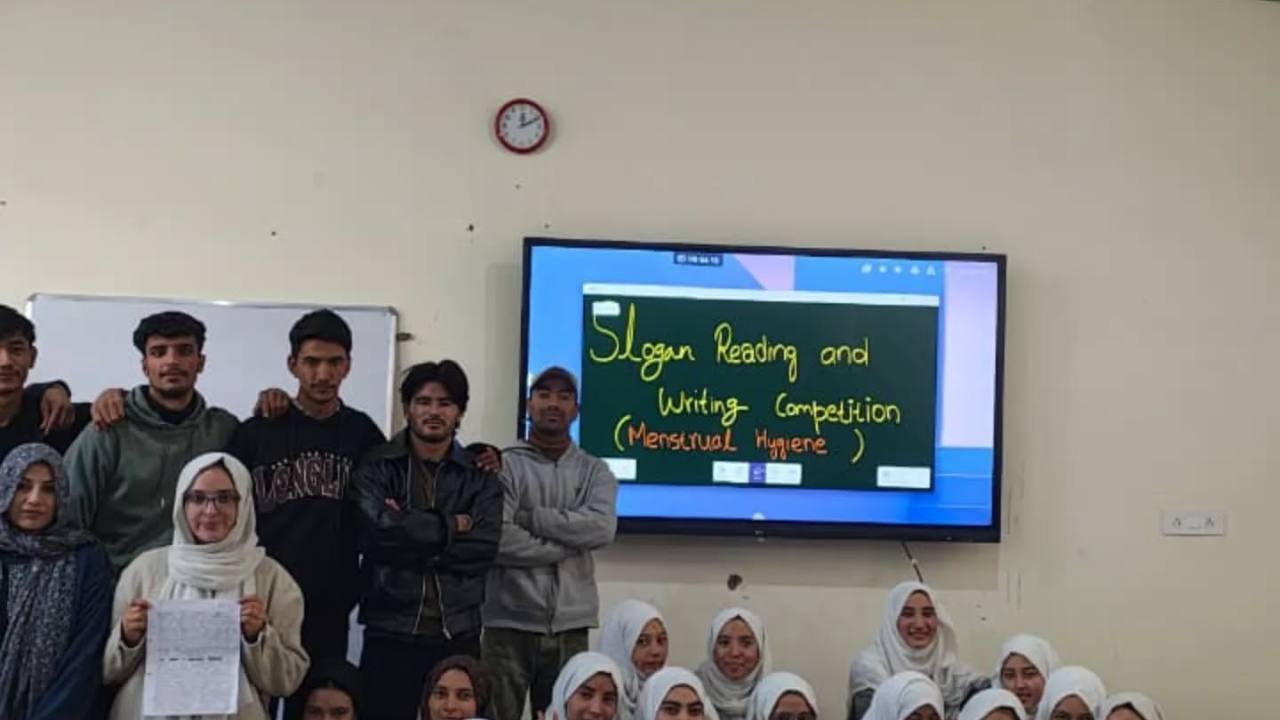
Day 2: Slogan-Writing Competition
Building on the momentum from the previous day, the second day featured a slogan-writing competition themed around menstrual health and hygiene. Participants were invited to craft concise, impactful slogans that promoted awareness, equality, and hygiene practices. The competition included both male and female students, demonstrating a positive shift